
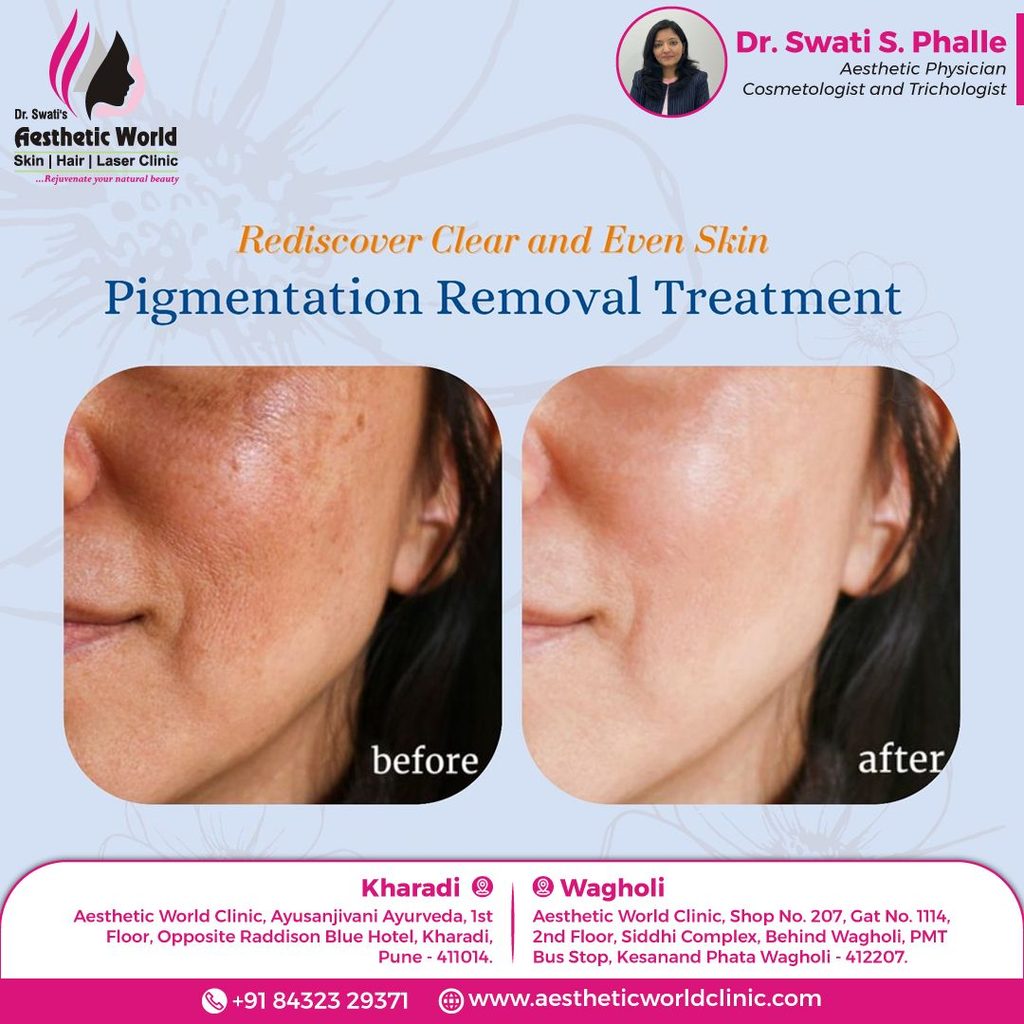
You’ve tried brightening creams, home remedies and sunscreen, but the dark patches on your cheeks just won’t fade. If you’re in Pune and searching for the best treatment for pigmentation, you’re probably stuck between three options: laser, chemical peel or some kind of “skin rejuvenation” package.
The problem is, every clinic promises clear skin, but no one tells you which option makes sense for your type of pigmentation, skin tone and budget. Let’s break it down the way a dermatologist would explain it in the consulting room, so you can walk into your next appointment in Pune knowing exactly what to ask.
Understanding Why Pigmentation Is So Stubborn
Before choosing a procedure, you need to know what you’re treating. Brown patches from melasma treatment behave very differently from tiny sun spots on the nose or old acne marks on the jawline. They sit at different depths in the skin and react differently to heat and light.
In Pune, strong sun exposure most of the year, hormonal changes and past acne are the three common triggers I see patients talk about. If the root trigger is still active and you jump straight to aggressive laser, the pigmentation often bounces back or even deepens. Correct diagnosis is the first treatment step.
Laser For Pigmentation: Powerful, But Not For Everyone
Laser is often marketed as the fastest hyperpigmentation treatment, and in some cases that’s true. Q-switched and other pigment-targeting lasers break up excess melanin so your body can clear it naturally over time. It can work well for discrete spots, sun damage and certain types of post-acne marks.
But there’s a catch. Medium to deeper Indian skin tones can be more sensitive to laser heat. If the settings aren’t right or the diagnosis is off, you may end up with rebound pigmentation or patchy light and dark areas. This is why good clinics in Pune rarely jump straight to high-intensity laser for fresh melasma patches on the cheeks.
Some patients do well with gentle laser-based facials, like a carbon peel or similar carbon peel laser treatment, especially when the main concern is dullness with mild spots. This sort of approach focuses on brightening and texture, not just blasting pigment.
Chemical Peel For Pigmentation: Controlled Shedding For Fresher Skin
Chemical peels are one of the workhorses of pigmentation treatment Pune dermatologists rely on. A carefully chosen peel helps loosen and shed the upper, pigmented layers of skin while signalling the deeper layers to renew themselves more evenly.
There isn’t one “best” peel. Superficial peels suit early acne marks and mild tanning, while combination or slightly deeper peels are reserved for patchy melasma or mixed pigmentation. The exact solution, strength and contact time are tailored to your skin type, sensitivity and history.
If you want a sense of how peels are planned and spaced, this clinic’s detailed guide on chemical peels for acne and pigmentation is worth reading before your consultation. It gives realistic expectations on sessions and outcomes rather than miracle-fade promises.
Best Treatment For Pigmentation When You Have Melasma
Melasma behaves differently from regular tanning. Those symmetrical patches on the cheeks, forehead or upper lip are often hormonal, sun-sensitive and easily irritated. For this pattern, a combined plan is usually safer than heavy single-session laser.
Dermatologists often start with pigment-suppressing creams, strict sun protection and mild to moderate peels. Only when the melasma is calmer do they consider low-energy laser or other in-clinic devices. Going slow feels frustrating, but in melasma it usually gives better, more stable results.
Skin Rejuvenation Treatments: When Pigmentation Isn’t The Only Issue
In real life, pigmentation rarely comes alone. Many Pune patients also complain about dullness, uneven texture and early fine lines. In these cases, a pure “spot removal” mindset doesn’t help much. Skin rejuvenation-based plans can be more satisfying long term.
Treatments like skin booster treatment or PDRN skin treatment focus on hydration, collagen support and overall skin quality. They don’t directly erase dark spots the way a strong peel or pigment laser does, but they create healthier skin that reflects light better, making pigmentation look softer and more blended.
This approach suits someone who has mild to moderate spots, early ageing changes and is okay with gradual brightening rather than a quick, dramatic change.
Best Treatment For Pigmentation If You Want Glow Plus Clarity
If your main complaint is “my face looks tired and patchy in photos”, a combination of gentle pigment peels and periodic rejuvenation sessions can work well. Many patients do a basic pigmentation course first, then move on to maintenance with boosters or targeted facials.
That’s also where a general skin treatment plan tailored to your concerns helps. Instead of buying single sessions, you and your dermatologist can map out how to tackle pigment, texture and hydration in the right sequence.
Laser Vs Chemical Peel Vs Rejuvenation: How To Actually Choose
Forget the offers on social media for a moment and think clinically. The best option depends on four things: your diagnosis, depth of pigmentation, skin tone and how much downtime you can handle. A young professional in Kharadi with old acne marks will not need the same plan as a new mother with melasma patches on both cheeks.
Laser tends to suit deeper, well-defined spots and stubborn post-acne marks, when performed conservatively on the right skin type. Peels are usually the starting point for mixed or superficial pigmentation, fine textural issues and acne-prone skin. Rejuvenation treatments sit on top of both as longer-term maintenance when you want your skin to look healthier overall, not just lighter in patches.
If you’d like a broader comparison of in-clinic options before deciding, the clinic’s guide to pigmentation treatment in Pune walks through several common combinations used for melasma, tanning and dark spots.
Red Flags When Choosing Pigmentation Removal Offers
One thing I see often is people signing up for “full face pigmentation removal” packages without a patch test or proper consultation. That’s risky. Any honest pigmentation removal plan will start with photos, history, sometimes a wood’s lamp exam and a discussion of previous reactions.
Be cautious of packages that promise permanent results in a fixed number of sessions, heavily discounted first sessions or technicians handling lasers without a visible doctor’s input. In a city like Pune where sun exposure is strong and skin tones vary widely, personalised settings matter far more than flat pricing.
What To Expect During And After Treatment
Regardless of which route you pick, most pigmentation plans need multiple sessions. The gap between sessions allows your skin to recover, settle and show how it’s responding. Pushing for shorter gaps rarely leads to faster clearing; more often it means irritation and rebound darkness.
Downtime varies. Mild peels and many rejuvenation procedures cause only a day or two of dryness or flaking that can be managed with moisturiser and gentle skincare. Stronger peels and targeted lasers sometimes create a few days of redness or fine crusting.
What makes or breaks results is what you do between visits: sunscreen reapplication, avoiding harsh DIY scrubs and using the prescribed pigment-suppressing creams. Many patients in Pune see their results slip simply because they underestimate midday sun during commutes or outdoor chores.
Conclusion
There isn’t one universal best treatment for pigmentation; there’s only the option that matches your diagnosis, skin type and expectations. In Pune, a thoughtful combination of peels, carefully chosen laser and skin rejuvenation often gives more stable, natural-looking clarity than any single quick fix.
If you’re tired of guessing and want a customised plan, book a detailed consultation with Aesthetic world clinic to assess your pigmentation pattern, then decide together how to clear and maintain your skin safely.
Frequently Asked Questions
Q1. How do I know if laser or chemical peel is better for my pigmentation?
Ans: Start by getting your pigmentation mapped and categorised as superficial, mixed or deep. Superficial tanning and light acne marks often respond well to peels, while deeper, spot-like pigmentation may need laser support. Your dermatologist will usually test a milder option first to see how your skin behaves.
Q2. Is melasma treatment permanent or can it come back?
Ans: Melasma is a chronic, sun- and hormone-sensitive condition, so it’s better to think of control than cure. With the right melasma treatment, strict sun protection and maintenance creams, patches can fade significantly and stay lighter. They may still flare with pregnancy, hormonal changes or heavy sun exposure.
Q3. How many sessions does hyperpigmentation treatment usually need?
Ans: There’s no one fixed number because it depends on depth, duration and cause of your spots. Simple tan lines or recent marks may calm in a few sessions, while long-standing mixed pigmentation often needs a structured series with gap periods. Your dermatologist should outline an approximate plan after examining your skin.
Q4. What is the safest pigmentation treatment in Pune for sensitive skin?
Ans: For sensitive skin, doctors usually start with gentle, superficial peels, low-irritant pigment creams and strict sun care. They may bring in milder laser settings or skin rejuvenation later only if your skin tolerates the first steps. Always mention any past reactions to salon facials or medicated creams before planning procedures.
Q5. Can pigmentation removal treatments make my skin lighter overall?
Ans: The goal of pigmentation treatment is to even out your natural tone, not bleach it beyond your inherent colour. When done correctly, you should notice fewer patches and a more uniform complexion. If someone promises several shades of lightening, be cautious and ask exactly what products or devices they plan to use.
Q6. Do I need maintenance sessions after my pigmentation clears?
Ans: Yes, some form of maintenance is almost always needed, especially for melasma and sun-induced pigmentation. That may mean occasional light peels, periodic skin rejuvenation sessions or simply continuing prescribed homecare. Your doctor will space these out so you maintain clarity without over-treating the skin.


